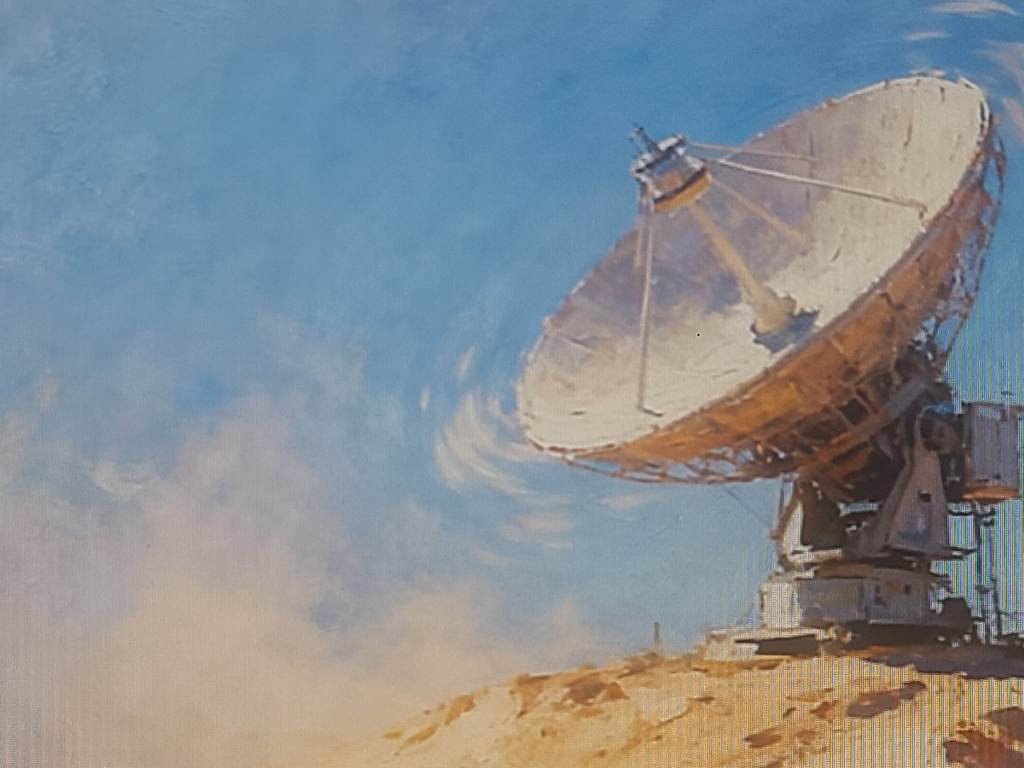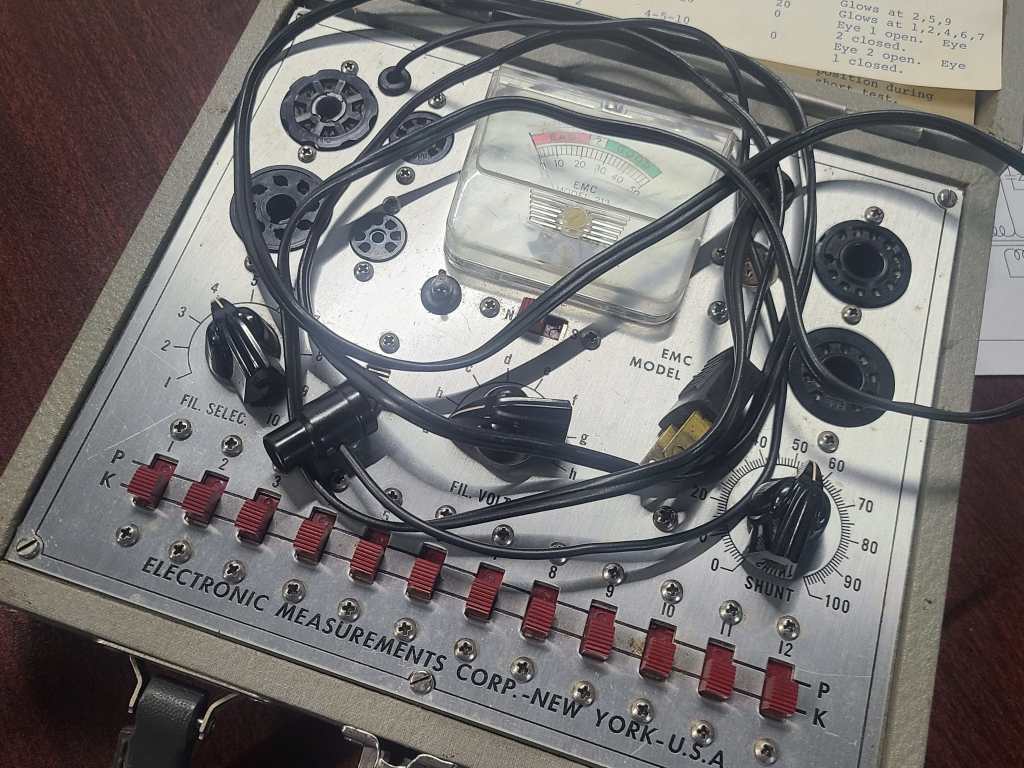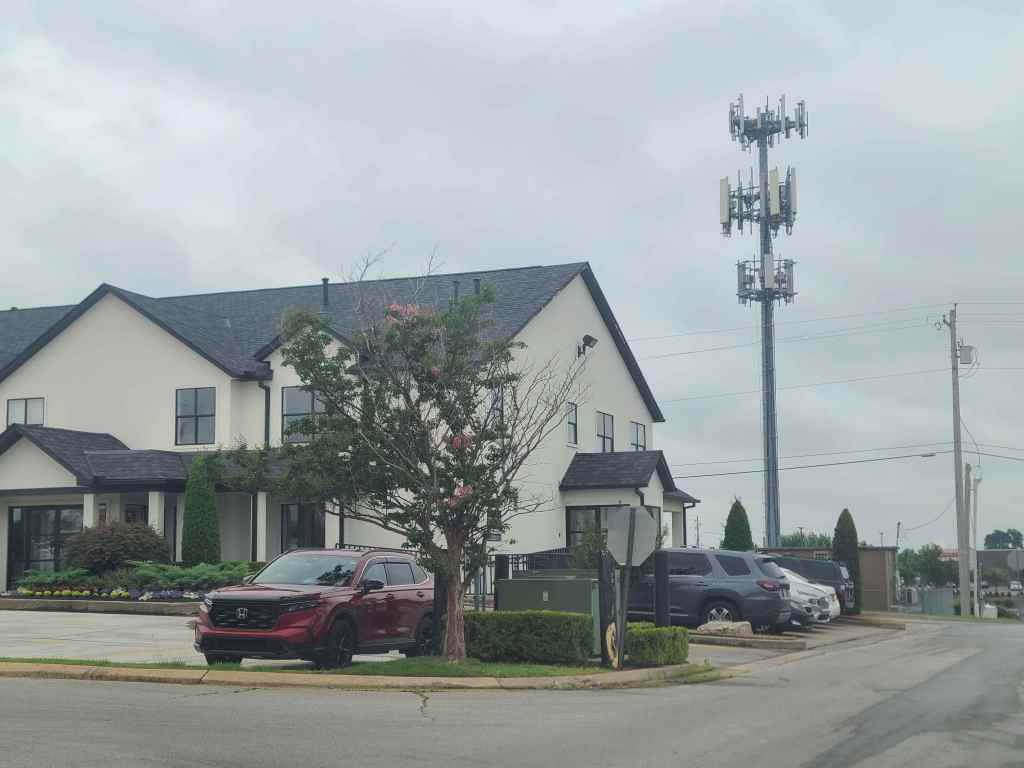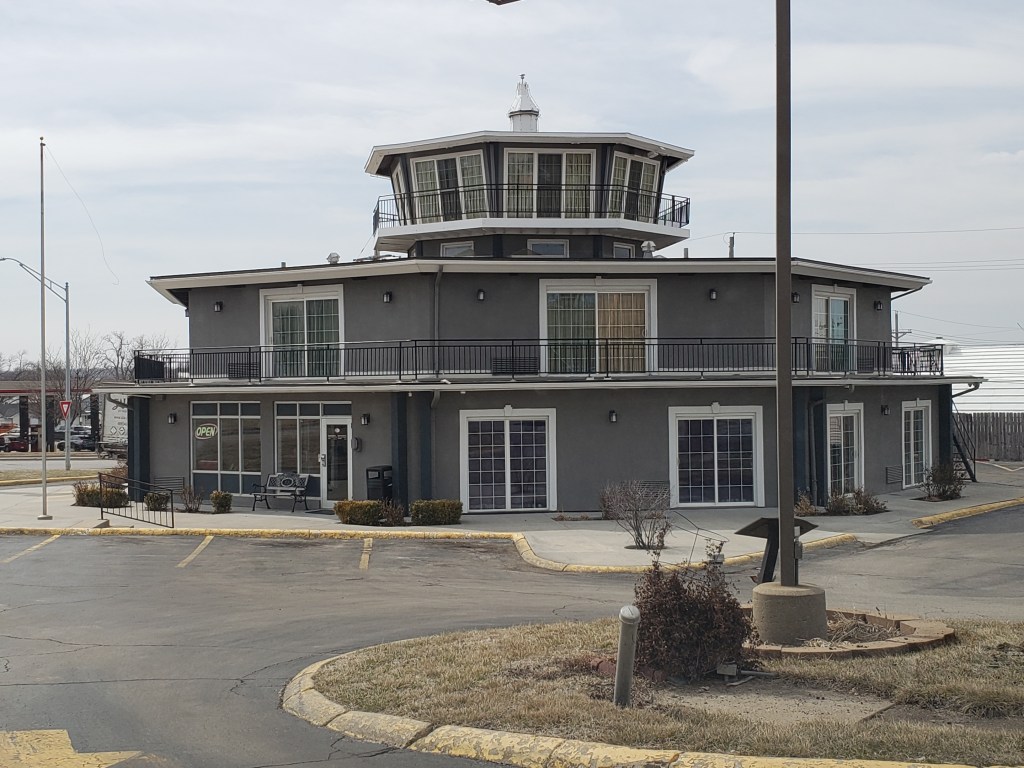
Late Note: At request of federal government, program has been changed. Scroll down a paragraph. We’ll have stunning technical news at both October meetings, 2nd and 4th Thursdays, Scott’s hamburgers in downtown Bixby half a block West of the center of town (from the 4 way arches) from 7 to 8:15 PM. Yes, stunning news although it’s like 70 or 80 years old, back when this Motel (above) was built. And yes, the motel does look funny. The U. S. Government has been saying they’re having a Cosmic Reveal party, but all they’ve released is a couple of fuzzy videos. This motel conceals a similar secret, but it went more or less public way back then, and significantly for us, resulted in a number of shall we say ‘innovations’ in the field of electronics. Come to the mtg October 8th (or two weeks later) and get the straight skinny on it from a member who has personally witnessed some of the results.
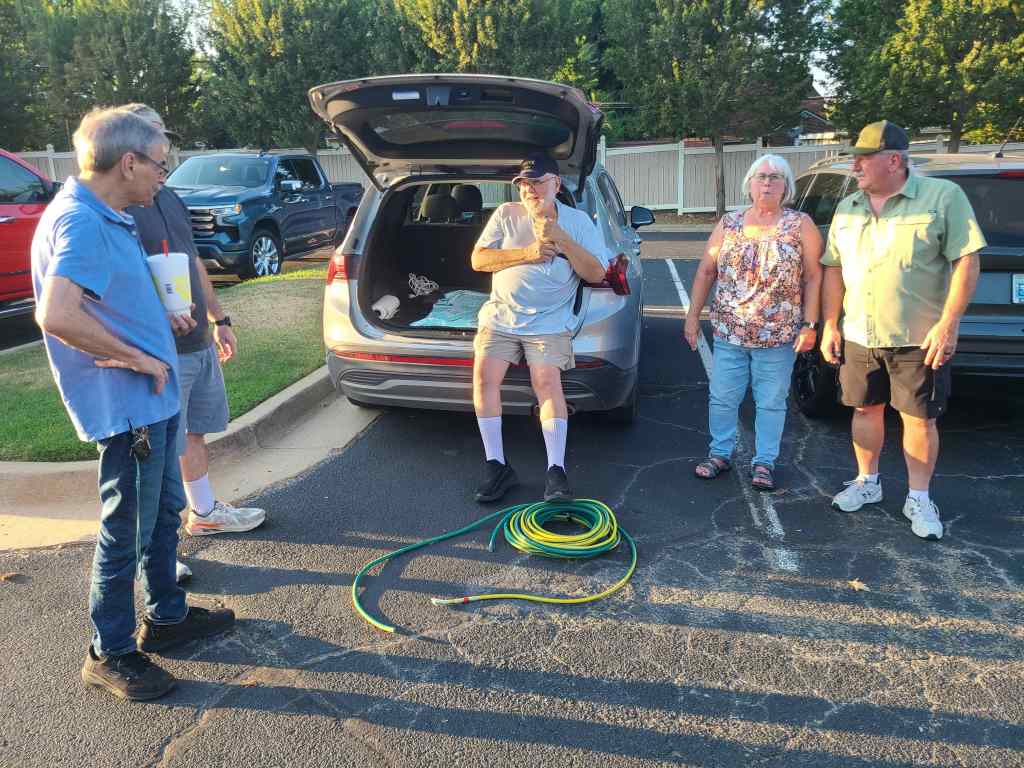
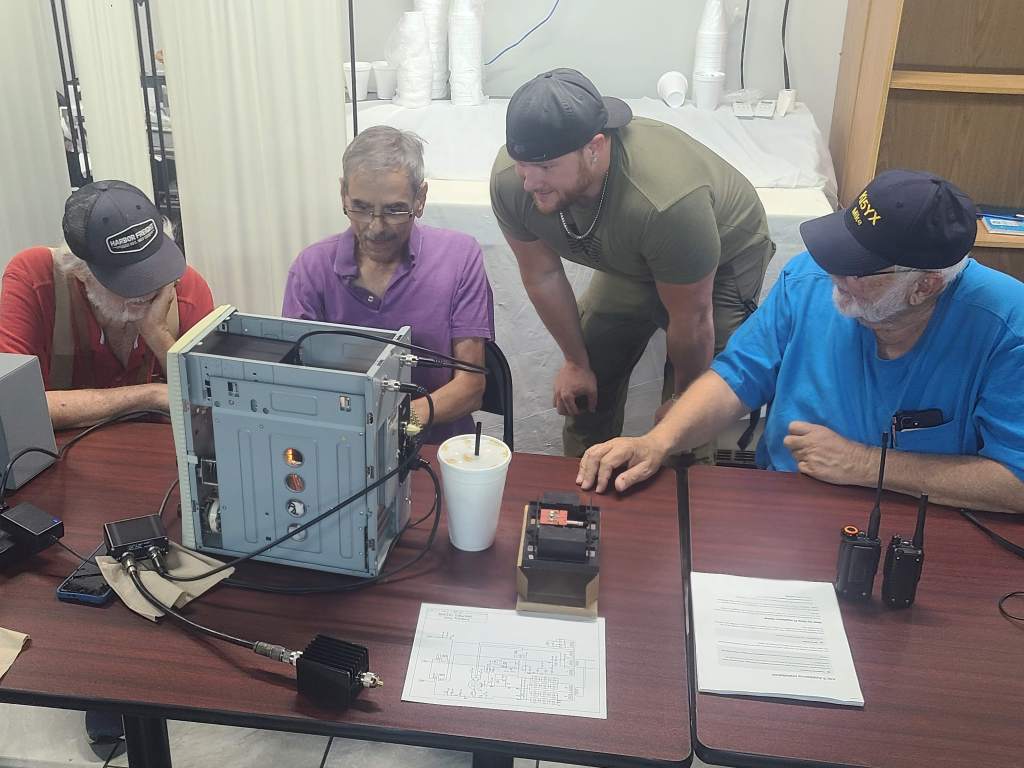
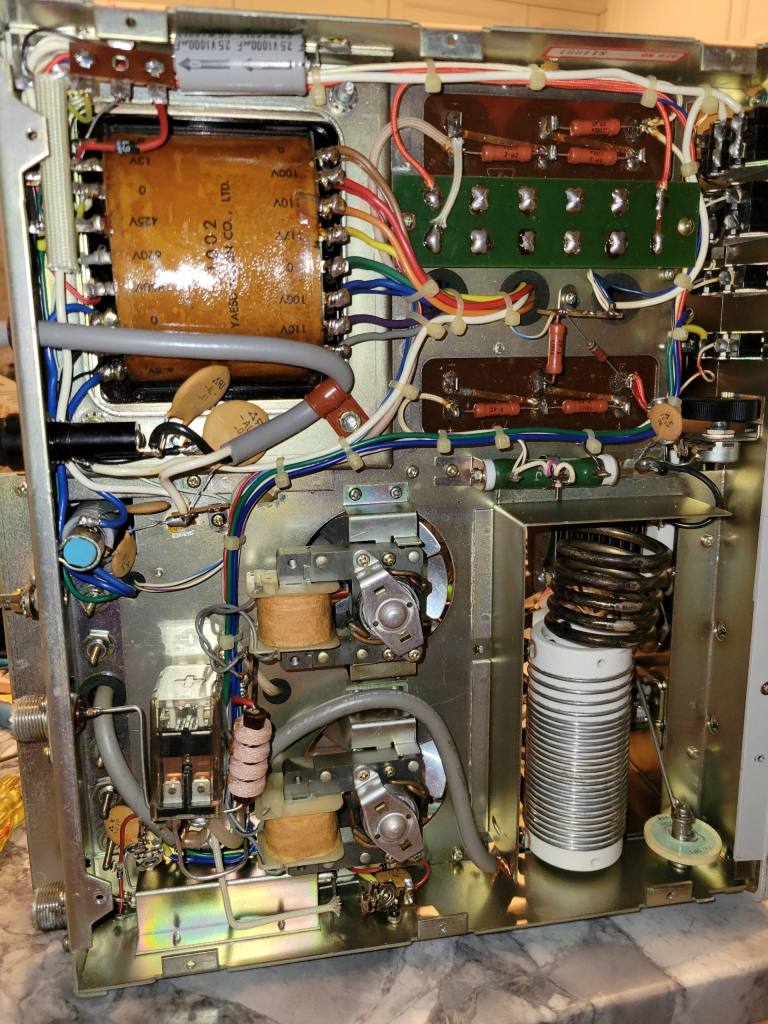
BASIC TROUBLESHOOTING: Kenny EKW has a CB transceiver that doesn’t work. We will have a) the broken CB and, b) a variable power supply with meters 0-15V plus 0-3A and, c) a hundred Mc scope and, d) a 5W dummy load and, e) a 27 Mc AM receiver and, f) some other stuff. All operations on the CB will be explained in detail before each step. Show up and learn something, or argue why your approach would be better. IT’s THIS THURSDAY at 7.